Obsolete inventory has no realistic sales or usage scenario within an acceptable time. Excess inventory can still sell, but its quantity substantially exceeds expected need. The distinction matters: obsolete stock needs a specific disposal decision, while excess can often be corrected by stopping purchases and allowing normal demand to consume it.
One no-movement threshold cannot fit the whole catalogue. Sixty days may be critical for an everyday item but normal for a seasonal component or rare spare part. The analysis should combine last-sale date, demand speed, months of cover, product life cycle, margin and confirmed future orders.
Separate four inventory states
State
Indicator
Primary response
Active
Regular movement and stock consistent with demand and supply
Maintain replenishment parameters
Excess
The item sells, but stock covers much longer than required
Stop or reduce purchasing
Slow-moving
Sales are infrequent but repeat under an understood scenario
Reduce order size and review stocking method
Obsolete
No realistic demand, use or acceptable disposal period
Return, transfer, sell, consume or write off
An item can move between states. A seasonal balance after peak demand may initially be excess and become active again before the next season. A discontinued model can lose future demand quickly.
Measures used in the review
Days without movement = Current date − Date of last sale or consumption.
Months of cover = Available inventory / Average confirmed monthly demand.
Excess quantity = Available inventory − Target inventory.
Cash in excess = Excess quantity × Unit cost.
When average demand is zero, cover is mathematically undefined. Mark the item as no movement rather than displaying zero months. Seasonal products should use comparable-season demand instead of an average across all months.
Data needed for a decision
physical, available and reserved balances;
goods in confirmed incoming deliveries;
sales and consumption history by period;
last movement date;
cost, current price and margin;
returns, defects and shelf life;
seasonality, promotions and model life cycle;
use in bundles, repairs or production;
confirmed customer orders;
supplier return or exchange options.
A customer reservation is not freely available excess. It is also necessary to distinguish no sales from no availability: the item may have no movement because it was actually out of stock.
Worked classification example
Item
Available stock
Average monthly demand
Cover
Last movement
Initial conclusion
Product A
120
60
2 months
5 days ago
Active
Product B
300
25
12 months
12 days ago
Excess
Product C
40
0
Undefined
240 days ago
Obsolete candidate
Product D
90
15
6 months
45 days ago
Review seasonality
Product C should not be written off automatically. Check confirmed projects, applications, replacement by a new model and supplier-return options. Product B still moves, but the quantity is six times a two-month target, so purchasing should stop while a sales-through scenario is assessed.
Why excess costs more than its purchase price
Inventory creates several forms of loss:
cash cannot be used to buy products with stronger demand;
warehouse space and counting time are consumed;
damage, loss, expiry and technological obsolescence become more likely;
a discount may be needed to accelerate sale;
stocktaking and picking become more complex;
the owner receives a false impression of warehouse availability.
For prioritisation, calculate at least the cost value of excess. Full holding cost depends on rent, insurance, handling and markdown risk; the rules must be understandable and consistent.
Segment causes rather than creating one list
Cause
What to check
Suitable response
Purchasing error
Order quantity, forecast and supplier terms
Return, exchange or stop repeat purchasing
Demand decline
Price, competitors and replacement products
Review price and sales channel
Model transition
Compatibility and future installed base
Sell before final obsolescence
Seasonal remainder
Storage life and next-season forecast
Hold with evidence or sell through now
Quality issue
Recovery option and safety requirements
Repair, return to supplier or write off
Required component
Contribution to sale of the main product
Keep a minimum service buffer
The cause determines the action. A general discount across the list can destroy margin where stopping purchasing and waiting for ordinary demand would have been enough.
Actions from lowest to highest sacrifice
Stop automatic replenishment. Otherwise, sales-through will be replaced by new purchases.
Use existing demand. Transfer goods to the warehouse or channel where they actually sell.
Return or exchange with the supplier. Compare fees and freight with the future loss.
Use in a bundle. Only when customers need the bundle and total margin remains sound.
Make a targeted offer. Address relevant customer segments rather than reducing price for everyone.
Apply staged markdowns. Set a deadline, minimum price and review result.
Consume in production or service. Only where application is confirmed.
Write off. When further storage and handling cost more than the realistic benefit.
A write-off is not a failure of analysis. Sometimes recognising a loss costs less than storing an item with no usage scenario for years.
Set the right priority
Start with the largest amount of cash and risk, not the largest number of rows:
high cost value of excess;
a long period without movement;
rapid obsolescence or approaching expiry;
large space requirement;
negative or disappearing margin;
no compatibility with the current range.
Small balances of inexpensive components can receive a grouped decision. A few expensive products require individual document and market review.
Prevent the stock from returning
use reorder points rather than purchasing “just in case”;
limit order quantity by forecast cover;
approve new and Z-item purchases separately;
record the reason for manually exceeding target stock;
include incoming goods and reservations;
review parameters after demand changes;
monitor no-movement age bands;
assign an owner to each material excess decision.
Good control identifies the problem before the item becomes obsolete: for example, when cover grows from three to six months or sales stop for two consecutive periods.
Common mistakes
One age threshold is applied to the whole catalogue. Seasonality and rare demand are ignored.
Obsolescence uses physical stock only. Reservations and future orders are not checked.
Every item is immediately discounted. The company loses margin unnecessarily.
Sales accelerate while purchasing continues. Excess does not decline.
A component’s role is ignored. Removing a low-value part blocks the primary sale.
The list has no accountable owner. The report ages while actions remain unfinished.
There is no review date. Failed measures remain invisible.
A practical one-cycle plan
Define active, excess, slow-moving and obsolete inventory rules.
Assemble movement, cover and cost data.
Exclude reservations, confirmed orders and shortage periods.
Rank products by cash in excess.
Check seasonality, life cycle and bundle role.
Assign a cause and action to every material item.
Stop replenishment until the decision is executed.
Set an owner, deadline and target balance.
After one month, measure units sold, cash released and resulting margin.
Correct the purchasing rule that created the problem.
Slow-moving inventory control in Business Reactor
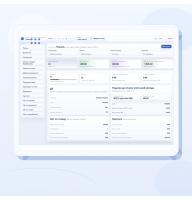
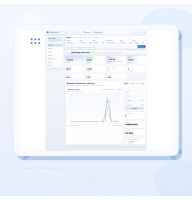
The analysis should use actual balances, reservations, sales, returns and expected receipts. The final list should open into product movements so that missing demand and the source of excess can be verified.
In Business Reactor, age bands, cover rules and priorities are defined around the company’s assortment. Connections to purchasing and customer orders help not only identify excess but also stop the process that continues to increase it.
Conclusion
Obsolete inventory is defined by the absence of a realistic usage scenario, not by one date. Separate it from excess and slow-moving stock, assess cash, check seasonality and assign a specific action from stopping purchasing through to write-off.