

In many businesses, the production plan exists as a chat message, spreadsheet or verbal instruction to a supervisor. The warehouse issues materials without a batch reference, priorities change during the day and finished goods are recorded as one total. It becomes impossible to say what is genuinely in progress, where the delay is and why cost exceeded the standard.
A manufacturing work order links the required output to a specific BOM, materials, due date, responsible operations and actual result.
What a work order must contain
| Section | Required data | Purpose |
|---|---|---|
| Output | Product, variant, quantity and unit | Defines exactly what must be produced |
| Calculation basis | BOM or recipe version | Freezes material composition at release |
| Dates | Planned start and completion | Supports priority and lateness control |
| Execution point | Workshop, work centre or equipment | Shows load and responsibility |
| Readiness | Required, reserved and issued materials | Prevents release without critical components |
| Actuals | Good output, scrap, work in progress and consumption | Provides the basis for actual costing |
A plan is not permission to start
The plan states a desired quantity and date. Release confirms that the job can realistically proceed. Before changing status, check the approved BOM version, critical material availability, capacity and dependencies on earlier operations.
Inbound stock should not be treated as production-ready simply because a purchase order exists. The work order may remain planned, but its risk must be visible.
Readiness check before release
| Check | Question | Decision |
|---|---|---|
| BOM | Is the required version approved? | Do not calculate or release without a version |
| Materials | Are critical components available? | Reserve them or move the start date |
| Semi-finished items | Are dependent orders complete? | Build the correct release sequence |
| Capacity | Is the work centre and shift available? | Confirm date and ownership |
| Quality | Are inspection requirements defined? | Add the control point to the route |
Statuses without unnecessary bureaucracy
Statuses should represent real state changes rather than every small action. A practical flow for many small manufacturers is:
- Draft. Quantity, date and composition can still change without stock movement.
- Planned. Requirements are calculated but production is not released.
- Ready. Critical materials and capacity are confirmed.
- In progress. Operations started or materials were issued.
- On hold. A documented reason prevents progress.
- Completed. Output, scrap and actual consumption are recorded.
- Cancelled. Unused reservations are released and the reason retained.
Moving backwards after material issue must not erase the event. Goods must be returned, work in progress recorded or the movement reversed through a controlled transaction.
Reservation, issue and consumption are different
- Reservation protects a material from another work order but does not move it.
- Issue to production transfers it from stores to the workshop or work in progress.
- Consumption confirms what a specific output actually used.
- Return restores unused, usable material to warehouse availability.
If every material is consumed at standard when the job starts, actual overuse and returns disappear. If consumption waits until month-end, stores and production see different balances. The posting point should follow the real movement.
Partial output and scrap
A work order for 100 units does not always complete in one transaction. After a shift there may be 60 good units, four defective units and 36 still in progress. The system should retain each result instead of forcing the full plan to close.
| Result | Quantity | Next action |
|---|---|---|
| Good output | 60 | Receive finished goods |
| Reworkable defects | 3 | Create a rework operation |
| Irrecoverable scrap | 1 | Record reason and cost |
| Work in progress | 36 | Keep the order open with its current stage |
Scrap must not be hidden by reducing planned quantity. That makes delivery appear successful while material and labour losses remain unexplained.
Manage priorities through evidence
Priority should reflect the customer due date, scarcity, material readiness and dependencies, not simply the loudest request. When a released job moves forward, the system should show which other promises move back.
Separate delays caused by materials, capacity, quality, equipment failure and customer decisions. One generic “delayed” status gives management nothing actionable.
Close the work order correctly
Before completion, confirm that good output and defects are recorded, materials are consumed or returned, work in progress is explained, operations are complete, and actual dates and owners are retained. Only then can actual cost be calculated reliably.
Conclusion
A manufacturing work order connects demand to a specific output. It freezes the BOM version, verifies readiness, controls status, preserves partial results and explains exceptions. Without it, materials, labour and finished goods remain separate accounting stories.
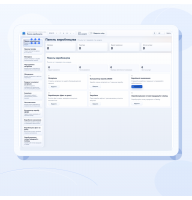
The next step is to compare standard work-order inputs with actual consumption and split the difference into material, labour, scrap and price effects. Explore the Business Reactor manufacturing module.